Rough Electrical Components
Explore NowPartners in Sustainability
Accelerating Change for the Future with Formula E
View LinkCareers
We are looking for great people who are interested in progressive career opportunities.
Join Our TeamContact Us
Have questions? We'll help find a solution.
Contact UsResources
We've created a number of resources to aid in your calculations, estimations and installations. Let us help you leverage your bottom line.



Featured News

Southwire Announces Investment in Condoit
April 18, 2024
In support of Southwire’s focus on strategic growth, the company is pleased to announce an investment in Condoit, a software platform for electrical design, analysis and collaboration.
Continue reading
Winn Wise Named Southwire’s Chief Commercial Officer
April 15, 2024
Southwire is pleased to announce that Winn Wise has been named Executive Vice President and Chief Commercial Officer, effective April 29, 2024.
Continue reading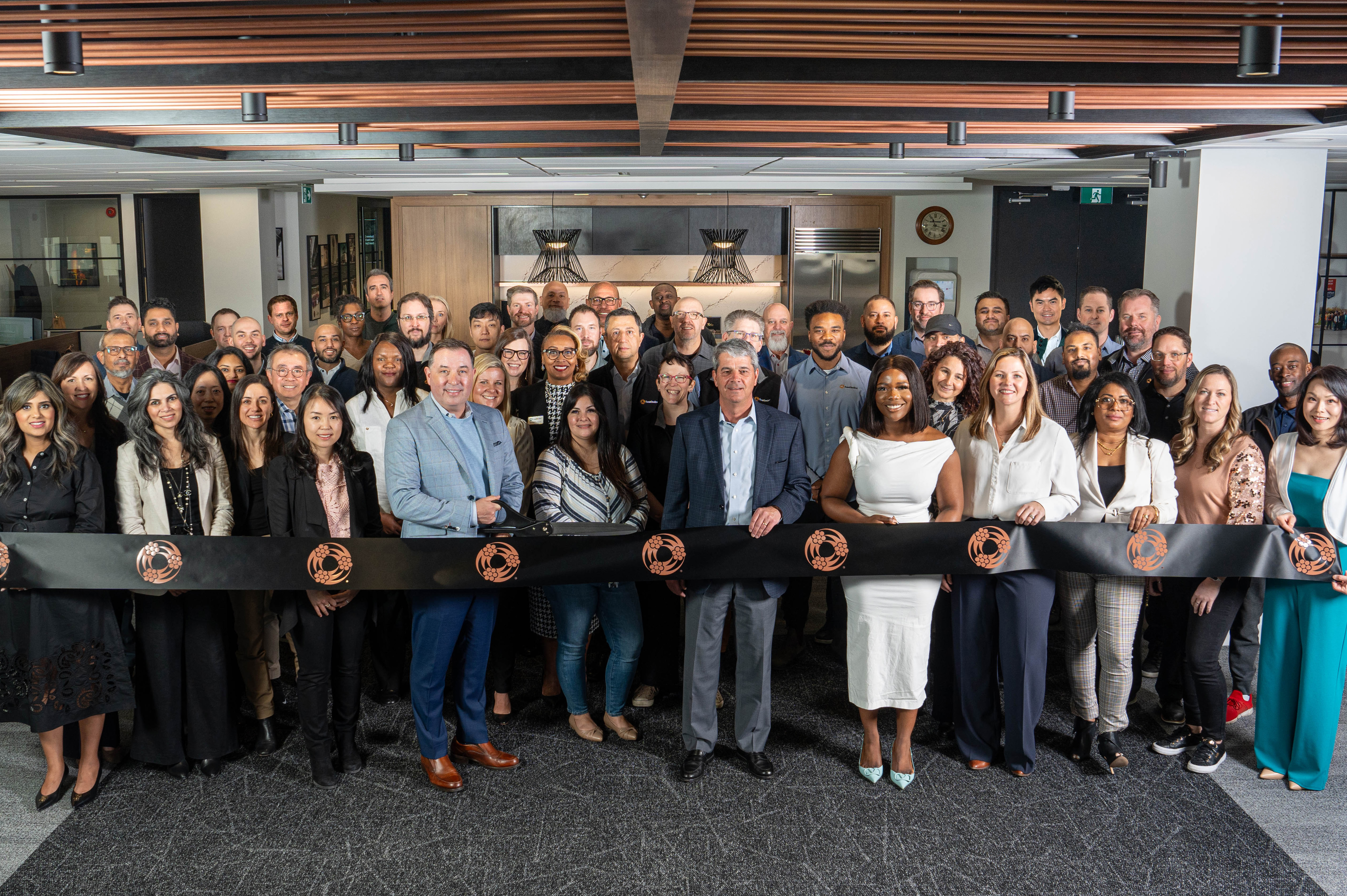
Southwire Canada Relocates Corporate Office, Hosts Grand Opening
April 08, 2024
On Thursday, March 28, Southwire celebrated the relocation of its Canadian corporate office in Mississauga, Ontario.
Continue reading